
Homeowners in the Greater Toronto Area primarily rely on their central heating systems for maintaining a constant and comfortable interior temperature when winter arrives. This winter season creates particular challenges for people who utilize a heat pump, which aren’t always evident until performance begins to deteriorate. Heat pumps, in contrast to conventional furnaces, can draw heat from outdoor air all year round, even during extremely cold temperatures. However, a heat pump’s ability to operate efficiently in the winter season can be compromised by snow buildup or the accumulation of ice.
At Heat Flow HVAC, we’ve witnessed numerous situations where a simple layer of snow has caused system strain over time, increased energy consumption, and decreased efficiency. The good news is that most of these issues are preventable with proper awareness and care. In this guide, we’ll walk you through exactly how winter conditions affect your heat pump, what signs to watch for, and the steps you can take to keep your system running.
The Effects of Winter Weather on Your Heat Pump in Ontario
Heat pumps are designed to work in cold climates, but they depend on unobstructed airflow to absorb thermal energy from the outside air. When snow piles up around or on top of the outdoor unit, it restricts this essential airflow. Even a few inches of wet, heavy snow can significantly reduce the system’s ability to pull in enough air to transfer heat indoors.
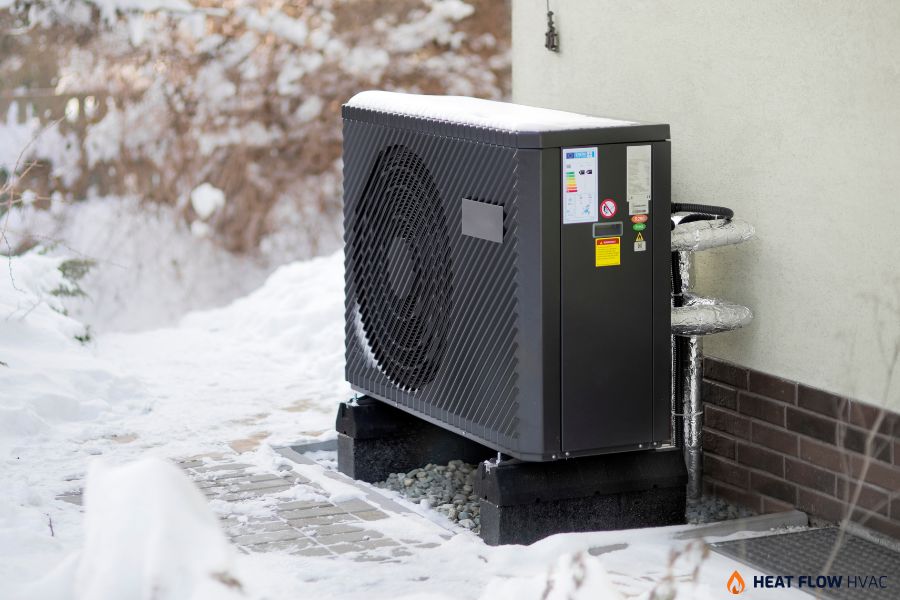
In addition to physical blockage, repeated freeze-thaw cycles common in southern Ontario create another challenge: ice buildup. Moisture from melting snow or condensation can refreeze on the coils and fins, especially if the defrost cycle isn’t functioning optimally. This ice acts as an insulating barrier, making it harder for the heat exchanger to do its job. Over time, the compressor must work harder to maintain indoor temperatures, which increases wear and reduces overall efficiency.
It’s important to understand that while some frost during normal operation is expected, thick ice or complete coverage is not. If left unchecked, these conditions can lead to longer-term damage, including corrosion of internal components and potential refrigerant line issues.
Why Defrost Cycles Are Essential, But Not Always Enough
All modern heat pumps come equipped with an automatic defrost cycle designed to melt light frost accumulation. During this process, the system temporarily reverses refrigerant flow to warm the outdoor coil and shed built-up moisture. This typically lasts between 5 and 10 minutes and happens every 30 to 90 minutes, depending on ambient conditions.
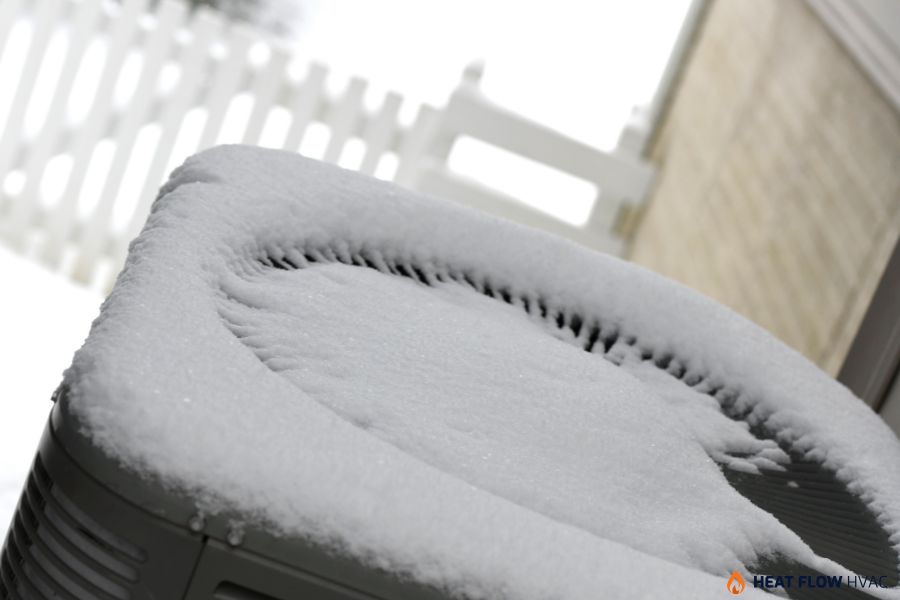
However, during periods of heavy snowfall or prolonged sub-zero temperatures, the defrost cycle may struggle to keep up. If the surrounding area is already flooded with melted snow or if drainage is poor, water can pool and refreeze beneath the unit. Additionally, if snow completely covers the top of the unit, the defrost mechanism won’t be able to clear the obstruction, leading to continuous strain on the system.
| Defrost Cycle Status | What It Means | Action Required |
|---|---|---|
| Short cycle (under 10 min), infrequent | Normal winter operation | No action needed |
| Frequent cycles (every 15–20 min) | Possible sensor or control board issue | Schedule inspection |
| Long duration (over 15 min), multiple times per hour | Inability to clear frost effectively | Clean unit, check for obstructions |
| No defrost activity despite visible ice | System malfunction or failed component | Contact a professional technician |
Common Problems Caused by Snow and Ice Buildup
In addition to affecting comfort, ignoring snow and ice buildup around your heat pump can result in quantifiable mechanical stress and long-term reliability issues. The most common problems we face in Mississauga, Toronto, Vaughan, and the surrounding areas following significant winter storms are listed below.
Limitation of Airflow and Decreased Effectiveness
Moving large amounts of air across the outdoor coil is one of a heat pump’s main purposes. Airflow drastically decreases when snow blocks the intake or exhaust vents. In order to heat the system to the same degree, the system must run longer cycles, which results in higher electricity consumption. Unaware that obstructed outdoor equipment is the primary cause, homeowners frequently observe an increase in hydro bills.
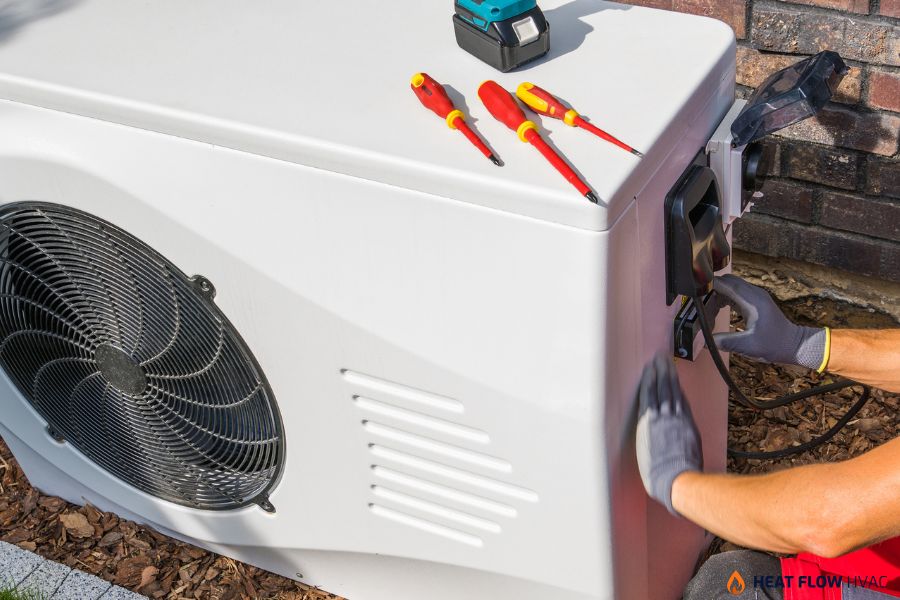
Maintaining at least two feet of clearance on all sides, including above, is crucial. Avoid shoveling snow toward the unit, and never pile snow directly behind or beside it, as wind can easily drift it back into place.
Understanding how heat pumps function in Canadian winters is essential for homeowners looking to maintain efficiency and comfort year-round. The cold-climate heat pumps are specifically designed to perform in Ontario’s fluctuating winter conditions. For those considering an upgrade or new installation, reviewing the detailed information at Natural Resources Canada: Heating and Cooling with Heat Pumps can help make informed decisions based on climate, home size, and long-term savings.
Water Pooling and Drain Line Freezing
During defrost cycles, melted ice needs to drain away properly. Most units have a base pan and condensate line to handle this runoff. However, if the ground slopes toward the unit or if debris clogs the drain, water can accumulate and refreeze. This not only creates a slipping hazard but also risks damaging electrical connections and corroding metal components over time.
To prevent this, ensure the pad under your unit is level and elevated slightly above grade. Consider installing a gravel bed or drainage channel to direct water away from the foundation.
Physical Damage from Improper Snow Removal
Using a shovel or pry bar to chip away at ice may seem useful, but it can damage protective coatings or bend delicate coil fins. These coils become less effective and more vulnerable to icing in the future once they are damaged. Instead, to speed up melting, use a soft brush or carefully pour lukewarm (not hot) water over the top and sides, but only after the system has been turned off.
Never try to remove ice while the machine is running. Electrical components may sustain damage, or safety shutdowns may be triggered by abrupt temperature changes or the introduction of moisture.
The Best Ways to Maintain Your Heat Pump During the Winter
Repairing damage after the fact is much more expensive and ineffective than prevention. By following a few straightforward guidelines, you can protect your investment and ensure reliable heating all season long.
Clear Snow Quickly After Each Storm
After significant snowfall, inspect your outdoor unit within 24 hours. Remove any accumulated snow using a plastic shovel or broom, taking care not to press down on the fins. Focus on clearing a wide perimeter, ideally three feet on all sides, to allow unrestricted airflow and prevent drifting.
If your unit is located near a roof edge, consider installing snow guards to stop large sheets of snow from sliding directly onto it. These small additions can prevent repeated burial and save you hours of manual cleanup.
Never Cover Your Heat Pump
Despite what some believe, covering a heat pump in winter does more harm than good. Trapped moisture inside a tarp or enclosure can freeze and promote mold growth. Covers also interfere with the defrost cycle and may void manufacturer warranties. Heat pumps are built to withstand harsh weather, they don’t need protection beyond proper placement and regular maintenance.
Monitor System Behavior Regularly
Pay attention to how your heat pump responds during cold snaps. Does it run constantly without reaching the set temperature? Is the auxiliary or emergency heat kicking in frequently? These could indicate airflow restrictions or inefficiencies caused by snow and ice. Use your smart thermostat to track runtime patterns and indoor temperature consistency.
Schedule a Tune-Up Before Next Storm Hits
A professional inspection before winter ensures all components are in optimal condition. Our certified technicians check refrigerant levels, test defrost controls, clean coils, and verify electrical connections. Catching minor issues early prevents them from turning into major problems once temperatures drop.
Learn more about how routine maintenance protects your furnace from seasonal stress and extends its operational life.
Choosing the Right Heat Pump for Ontario’s Climate
Not all heat pumps perform equally well in Canadian winters. Advances in technology now make cold-climate models capable of delivering efficient heating even below -20°C. At Heat Flow HVAC, we offer a full range of options tailored to different home sizes, insulation levels, and regional conditions.
- Air-Source Heat Pumps: Ideal for moderate winters, especially when paired with a backup furnace.
- Ductless Mini-Split Systems: Perfect for room additions or homes without existing ductwork.
- Variable-Speed Heat Pumps: Deliver gradual, consistent heating with minimal noise and energy use.
- Hybrid Dual-Fuel Systems: Combine a gas furnace with a heat pump for maximum efficiency and reliability.
Whether you’re looking to install a new heat pump or upgrade an older model, our team provides personalized recommendations based on your home’s layout, insulation, and heating demands.
Signs You May Need Professional Assistance
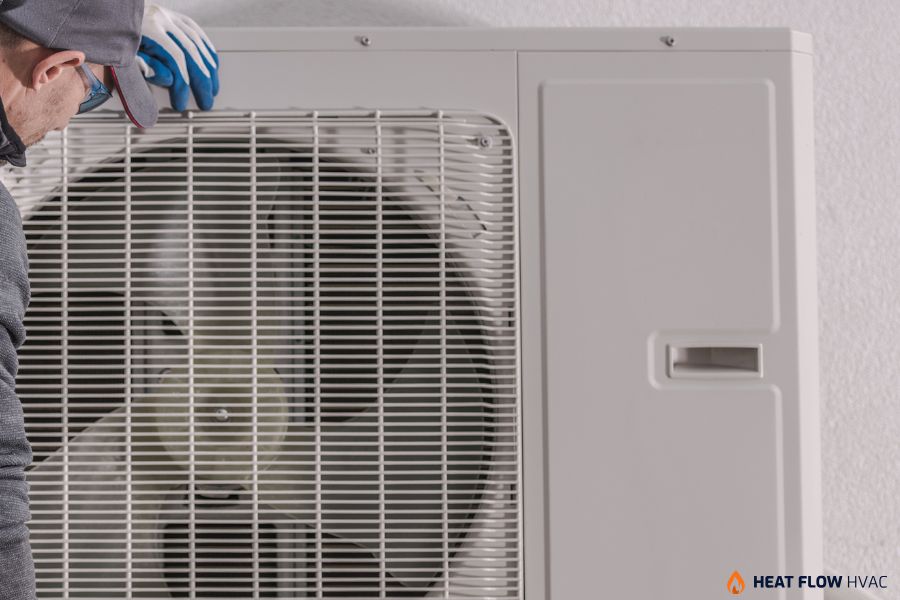
While many winter-related issues can be managed with basic care, certain symptoms require expert evaluation. Contact us if you notice any of the following:
| Symptom | Potential Cause | Recommended Action |
|---|---|---|
| Unit remains frozen for several hours | Failed defrost control or sensor | Schedule diagnostic service |
| Frequent emergency heat activation | Inadequate heat extraction due to blockage | Inspect airflow and defrost function |
| Loud grinding or clicking noises | Internal mechanical failure | Immediate technician visit |
| Visible refrigerant leaks or oil stains | Compressor seal failure | Emergency repair required |
Your system might be undersized or nearing the end of its useful life if it frequently malfunctions during the winter. When deciding what to install as an upgrade, you should compare gas furnaces and heat pumps. A high-efficiency cold-climate model upgrade can reduce yearly operating expenses and increase comfort.
Your monthly electricity bills can be significantly impacted by controlling the energy consumption of your heating system during peak hours. Ontario’s Time-of-Use (TOU) pricing structure, which fluctuates throughout the day based on demand, is clearly explained by the Independent Electricity System Operator (IESO). You can lessen the burden on the grid and benefit from cheaper rates by modifying your thermostat settings during off-peak hours, which are usually weekends and evenings. To learn more about current electricity pricing and how to optimize your usage, visit IESO Time-of-Use Rates Overview and start planning your energy use around the most cost-effective times of day.
Stay Ahead of Winter Challenges with Local Heat Pump Services
Winter doesn’t have to mean compromised comfort or unexpected repairs. With proactive care and the right knowledge, your heat pump can deliver reliable, efficient heating all season long. From routine snow removal to professional tune-ups, every step you take contributes to a longer-lasting, better-performing system.
At Heat Flow HVAC, we’re committed to helping GTA homeowners navigate the realities of cold-weather operation with confidence. Our knowledgeable staff is available to help, whether you need help identifying a recurring defrost problem that calls for a heat pump repair or looking into ways to improve your current configuration.
Don’t wait until a deep freeze exposes hidden weaknesses in your system. Reach out today to schedule a pre-winter inspection and ensure your heat pump is ready to handle whatever Ontario’s winter throws its way.